Call Us Now
+91 9815350910
Send US Email
sharmaselfdrivecars@gmail.com


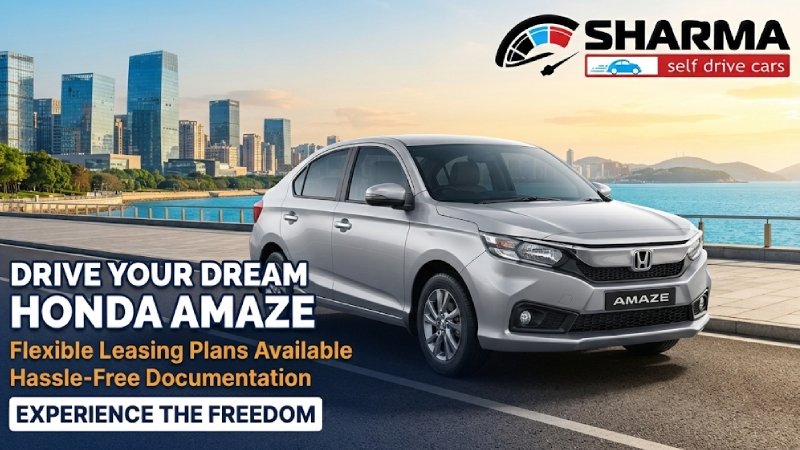
Discover how long duration car leasing can help control monthly vehicle expenses while offering convenient access to a private car.
Buying a vehicle creates expenses that continue long after the initial payment is completed. Registration, insurance, routine care, depreciation and other ownership-related costs can make a personal car more expensive than expected. A long term car lease rental gives regular drivers another way to use a private vehicle while keeping their monthly commitments easier to understand and manage.
Why Vehicle Ownership Can Place Extra Pressure on a Monthly Household Budget
A new car often begins with a large down payment followed by monthly finance instalments. These payments become a fixed part of the household budget for several years. In addition, owners need to reserve money for servicing, insurance renewals and unexpected repairs, which can make the actual monthly cost considerably higher than the finance payment alone.
Reducing the Need for a Large Upfront Payment Before Starting Regular Driving
Purchasing a car normally requires substantial money at the beginning of ownership. For drivers who mainly need a vehicle for several months or a defined period, committing a large amount of savings may not be practical. A lease arrangement can reduce this initial financial burden and allow funds to remain available for other personal, family or business requirements.
Keeping Monthly Vehicle Spending More Predictable for Better Financial Control
Unexpected expenses are one of the difficult parts of owning a car. A sudden repair, replacement part or maintenance requirement can affect the monthly budget without warning. A structured monthly car lease can make regular vehicle spending easier to estimate because drivers can choose an arrangement based on their expected duration and usage requirements.
Using a Private Vehicle Regularly Without Making a Long Ownership Commitment
Some drivers need a car every day but do not necessarily want to own the same vehicle for many years. Employment assignments, temporary relocation, extended stays and changing family requirements can make flexibility more valuable than permanent ownership. Long duration leasing offers access to a personal-use vehicle for the required period without creating the same long financial commitment associated with purchasing.
Useful Long Duration Vehicle Options for Different Monthly Driving Requirements
- Monthly Self Drive Car Lease – Suitable for regular personal and professional driving requirements.
- Long Duration SUV Lease – Useful for drivers who prefer additional cabin space and road presence.
- Corporate Car Lease Rental – A practical choice for employee mobility and extended business requirements.
- Family Car Long Term Rental – Designed for regular family use, holidays and everyday travel.
- Premium Car Monthly Lease – Suitable when comfort and upgraded vehicle features are important.
| Expense Area | Vehicle Ownership | Long Duration Lease |
|---|---|---|
| Initial Financial Commitment | Usually High | Generally More Manageable |
| Long Financial Obligation | Common with Finance | Based on Selected Lease Period |
| Vehicle Depreciation | Owner Carries the Loss | No Resale Value Concern for the Renter |
| Vehicle Change Flexibility | Requires Sale or Exchange | Depends on Rental Terms |
How Avoiding Vehicle Depreciation Can Protect Money Over a Longer Driving Period
Depreciation is an important ownership expense that is sometimes ignored because it does not appear as a monthly bill. A newly purchased vehicle generally loses value as it becomes older and gains mileage. With a car lease for long duration, the driver uses the vehicle for an agreed period without depending on its future resale price to recover part of the original purchase cost.
Why Resale Value Can Make Personal Vehicle Ownership Less Financially Predictable
The amount received when selling a used vehicle depends on age, condition, kilometres driven, market demand and model popularity. Even a well-maintained car may sell for less than the owner expects. Leasing removes the need to build a financial strategy around future resale value, making it suitable for people who prefer to focus on current driving requirements.
Reducing the Financial Effect of Changing Vehicle Preferences Over Time
Driving needs rarely remain exactly the same for many years. A compact vehicle may be convenient today, while an SUV or larger family car could become more useful later. Ownership makes such changes expensive because the existing vehicle normally needs to be sold or exchanged. A lease can provide greater freedom to reconsider the preferred vehicle after the agreed rental period ends.
A Practical Vehicle Choice for Professionals Working on Extended Assignments
Professionals working away from their permanent city may require a private car for several months without needing permanent ownership. Purchasing a car for a temporary assignment can create unnecessary financial and resale responsibilities. A long stay car rental offers a more suitable arrangement by matching vehicle access with the approximate duration of the professional requirement.
Supporting Regular Business Mobility Without Adding Another Permanent Company Asset
Businesses sometimes require vehicles for projects, employees, visiting teams or temporary operational requirements. Purchasing additional cars can tie up capital and create future asset-management responsibilities. Long duration rental can provide vehicles for a defined business period while allowing the company to reconsider its fleet requirements when circumstances change.
Long Term Lease Categories That Can Match Different Types of Regular Drivers
- Extended Business Car Rental – Useful for temporary projects and employee driving needs.
- Monthly SUV Rental – Suitable for drivers requiring space, comfort and higher ground clearance.
- Long Period Hatchback Lease – Convenient for everyday urban driving and compact parking spaces.
- Sedan Lease for Several Months – Suitable for comfortable daily and professional use.
- Flexible Vehicle Lease – Helpful when future driving requirements may change.
| Driver Requirement | Suitable Vehicle Type | Possible Benefit |
|---|---|---|
| Daily Urban Driving | Hatchback | Compact and Convenient |
| Professional Use | Sedan | Comfortable Regular Driving |
| Family Requirements | SUV or MUV | More Cabin and Luggage Space |
| Extended Work Assignment | Vehicle Based on Usage | Flexible Duration |
Managing Insurance and Registration Responsibilities More Easily During Extended Vehicle Use
Personal vehicle ownership includes recurring documentation and renewal responsibilities. Insurance policies, registration-related requirements and other vehicle paperwork need attention at different stages. Depending on the terms offered by the provider, a long period vehicle rental can simplify some of these responsibilities and reduce the number of ownership tasks a driver needs to manage personally.
Why Routine Vehicle Care Should Be Included When Comparing Monthly Driving Expenses
Routine servicing is necessary to keep a vehicle reliable, efficient and suitable for regular use. Owners must account for periodic service visits, replacement parts, tyres, batteries and wear-related components. These expenses may not occur every month, but they contribute to the overall annual ownership cost and should be considered when comparing purchase and lease options.
How Repair Expenses Can Change the Real Cost of Keeping an Older Personal Car
As vehicles become older, repair requirements can become more frequent. Components affected by regular wear may need attention, especially when the car is used daily or driven over longer distances. Drivers considering a monthly vehicle rental can compare the rental terms with the expected ownership and repair costs before deciding which arrangement suits their budget.
Making Vehicle Expenses Easier to Review Without Mixing Several Separate Ownership Bills
Car ownership expenses arrive at different times throughout the year, making it difficult to understand the real monthly cost. Finance payments may be regular, while servicing, repairs and insurance appear periodically. A clearly structured lease can make budgeting simpler by giving drivers a more direct way to estimate how much they are committing to vehicle access during the selected period.
Choosing a Rental Duration That Matches Actual Requirements Instead of Paying for Years of Ownership
The financial advantage of leasing becomes clearer when a driver knows that the vehicle is required only for a particular stage of life or work. Rather than purchasing a car that may become unnecessary later, the rental duration can be selected according to the expected need. This helps prevent a temporary requirement from becoming a long-term financial obligation.
Popular Extended Rental Arrangements for Personal and Professional Vehicle Requirements
- Three Month Car Rental – Suitable for shorter assignments and temporary requirements.
- Six Month Vehicle Lease – Useful for extended stays and medium-term professional use.
- Annual Car Rental – Suitable for drivers requiring consistent access for a longer period.
- Business Vehicle Subscription – Helpful for organisations with changing mobility requirements.
- Private Car Extended Hire – Suitable for regular personal use without purchasing a vehicle.
| Rental Period | Typical Requirement | Main Advantage |
|---|---|---|
| Several Months | Temporary Stay | Avoids Permanent Ownership |
| Medium Duration | Work Assignment | Matches Employment Requirement |
| Extended Duration | Regular Personal Use | Predictable Vehicle Access |
| Project Based | Business Requirement | Flexible Fleet Management |
Why Drivers Can Benefit from Comparing the Complete Cost Rather Than Only the Monthly Instalment
A car finance payment represents only one part of ownership. A realistic comparison should also consider the down payment, interest, insurance, scheduled maintenance, repairs, depreciation and eventual resale process. Comparing the complete cost with a long term self drive rental gives drivers a clearer picture of which arrangement is more appropriate for their actual usage.
Keeping Personal Savings Available Instead of Investing a Large Amount in a Depreciating Asset
Purchasing a vehicle can require a considerable amount of savings at the beginning. Even when finance is available, a down payment is commonly required. Drivers who prefer to keep their savings available for family needs, business commitments, education, property or other priorities may find extended leasing more suitable than placing a large amount into a vehicle.
How Self Drive Cars Provide Personal Freedom for Everyday and Extended Use
Self Drive Cars give users direct control over their daily schedule, preferred routes and driving routine. They can be useful for office travel, family requirements, weekend journeys and regular personal use. When booked for a longer period, this format combines the privacy of a personal vehicle with the flexibility of renting rather than purchasing.
A Useful Choice for People Staying in a City for Several Months Rather Than Permanently
Students, professionals, business owners and families may temporarily stay in another city for work, education or personal commitments. Buying a vehicle during a temporary stay may create additional work when it is time to relocate. An extended rental provides regular vehicle access while avoiding the need to arrange a sale before leaving the city.
Why Flexible Vehicle Selection Can Be Valuable When Lifestyle Requirements Change
A vehicle that suits one period may not be ideal for another. Daily city use may favour a compact model, while family journeys may require additional seating and luggage capacity. Leasing allows drivers to review their requirements at the end of the agreement and select a different category for the next period rather than remaining tied to one purchased vehicle.
Long Duration Car Choices for Different Budgets and Driving Preferences
- Economy Hatchback Lease – Suitable for simple everyday driving and budget-conscious users.
- Comfort Sedan Rental – Useful for office routines and longer road journeys.
- Family SUV Lease – Provides additional space for passengers and luggage.
- Premium SUV Extended Rental – Suitable for users who prefer larger vehicles and added comfort.
- Automatic Car Monthly Hire – Convenient for drivers who prefer easier urban driving.
| Vehicle Category | Common Use | Key Consideration |
|---|---|---|
| Hatchback | Regular City Use | Compact Size |
| Sedan | Office and Personal Use | Cabin Comfort |
| SUV | Family and Longer Journeys | Space and Road Comfort |
| Premium Vehicle | Executive Requirements | Features and Comfort |
Understanding Lease Terms Before Deciding Whether Extended Rental Fits the Monthly Budget
A long duration rental should be evaluated carefully before booking. Drivers should understand the rental period, kilometre conditions, security requirements, maintenance terms, usage restrictions and return policies. Reviewing these details beforehand makes it easier to estimate the actual monthly expense and prevents misunderstandings during the rental period.
Why Expected Monthly Kilometres Should Be Considered Before Selecting a Vehicle Arrangement
Driving distance can influence which rental package provides better value. Someone using a car mainly for office travel may have different kilometre requirements from a driver making frequent intercity journeys. Estimating expected usage before selecting the agreement helps users choose terms that match their routine rather than paying for a package that does not suit their driving pattern.
Matching Vehicle Size with Real Requirements Can Help Keep Monthly Costs Under Better Control
Choosing a vehicle larger than necessary can increase the overall rental and running budget. A compact car may be sufficient for individual urban use, while larger families may benefit from an SUV or MUV. Selecting the category according to actual passenger, luggage and driving requirements is one of the simplest ways to keep regular vehicle expenses practical.
How Fuel Type and Driving Conditions Can Influence the Overall Monthly Vehicle Budget
Rental price is not the only cost that matters during extended use. Fuel consumption also contributes to regular spending, especially for users driving significant distances each month. Comparing vehicle efficiency, typical road conditions and expected usage can help drivers choose a model that balances comfort with manageable running expenses.
Why Long Duration Rental Can Be Useful Before Committing to the Purchase of a Particular Vehicle Type
Drivers sometimes purchase a vehicle based on short test drives and later discover that it does not fully suit their routine. Extended rental provides more time to experience the size, comfort and everyday usability of a vehicle category. This can also be useful for people who expect their requirements to change and do not want to make an immediate purchase decision.
Lease Formats That Can Support Different Monthly Budget Priorities
- Budget Monthly Car Hire – Focused on economical regular vehicle access.
- Extended Automatic Car Rental – Suitable for convenient everyday driving.
- Long Term Corporate Vehicle Hire – Designed for professional and company requirements.
- Seasonal Car Lease – Useful when a vehicle is required only during a particular period.
- Multi-Month Personal Car Rental – Suitable for individuals who need continuous private vehicle access.
| Cost Factor | What to Review | Why It Matters |
|---|---|---|
| Rental Charge | Monthly Package | Defines the Main Regular Expense |
| Kilometre Terms | Expected Monthly Usage | Helps Select a Suitable Package |
| Fuel | Vehicle Efficiency | Affects Running Expenses |
| Vehicle Category | Actual Space Requirement | Prevents Unnecessary Spending |
How Extended Car Rental Can Support Families That Need an Additional Vehicle Temporarily
A household may occasionally require another vehicle because of work schedules, education, family commitments or temporary changes in routine. Purchasing a second car for a requirement that may not continue permanently can create unnecessary expenses. An extended family car rental provides another vehicle for the required period while keeping the household free from an additional long-term ownership commitment.
Supporting Seasonal Business Requirements Without Purchasing Vehicles That May Later Remain Unused
Some businesses experience periods when more vehicles are required for staff, projects or operational activity. Buying cars for a temporary increase can leave the company with underused assets once demand returns to normal. Long duration rental allows the number and type of vehicles to be matched more closely with current business requirements.
Why People Returning to India for Extended Visits May Prefer a Private Rental Vehicle
Visitors staying for several weeks or months may want consistent access to a vehicle for family visits, personal work and road journeys. Buying a car for a limited stay is rarely convenient because registration, ownership and resale become additional responsibilities. A longer rental period provides private vehicle access while keeping the arrangement connected to the duration of the visit.
Using Long Term Car Lease Rental for Everyday Freedom Without the Resale Process
One of the less visible responsibilities of ownership appears when the vehicle is no longer required. Advertising, negotiating, documentation and finding a suitable buyer can take time. With Long Term Car Lease Rental, the vehicle is returned according to the agreed terms, removing the need to manage a future sale simply to exit the vehicle commitment.
How Sharma Self Drive Cars Can Support Longer Personal Vehicle Requirements
For drivers who need a private vehicle for an extended period, Sharma Self Drive Cars can provide options suited to different personal, family and professional requirements. Choosing the right duration and vehicle category can help users maintain everyday driving convenience while avoiding many of the financial responsibilities associated with purchasing a car solely for temporary or changing needs.
Extended Lease Options for Drivers Who Prefer Freedom Without Permanent Vehicle Ownership
- Personal Mobility Car Lease – Suitable for regular individual vehicle requirements.
- Temporary Second Car Rental – Useful when a household needs another vehicle for a limited period.
- Project Duration Vehicle Lease – Designed around temporary professional assignments.
- Extended Visitor Car Hire – Suitable for longer stays and regular private driving.
- Long Duration Premium Vehicle Rental – Useful for drivers who want upgraded comfort without purchasing.
| Requirement | Ownership Concern Avoided | Lease Advantage |
|---|---|---|
| Temporary Second Vehicle | Additional Car Purchase | Use Only for the Required Period |
| Extended Visit | Future Resale | Simple Return After Rental |
| Business Project | Unused Future Asset | Duration Based Vehicle Access |
| Changing Personal Needs | Long Ownership Commitment | Greater Vehicle Flexibility |
Why Financial Flexibility Can Be More Valuable Than Permanent Vehicle Ownership for Some Drivers
Vehicle ownership provides long-term possession, but it also requires a significant financial commitment. For people whose requirements may change because of work, family size, location or lifestyle, maintaining flexibility can be more valuable. An extended lease allows drivers to pay for vehicle access during the period when it is genuinely required rather than committing money to ownership for many years.
Comparing the Length of Vehicle Need Before Choosing Between Buying and Renting
The expected duration of use should be one of the first considerations when comparing ownership with rental. A driver who intends to keep the same car for many years may evaluate costs differently from someone requiring a vehicle for several months. Matching the financial arrangement with the expected usage period helps prevent unnecessary commitments and makes the decision more practical.
Why Convenience Should Be Considered Together with Price When Evaluating a Long Lease
The cheapest monthly option is not always the most suitable choice. Vehicle condition, category, rental terms, usage limits and support arrangements can influence the overall experience. Drivers should compare both cost and convenience to understand whether a particular lease genuinely provides value throughout the full rental period.
Building a More Flexible Monthly Driving Routine Without Taking on a Multi-Year Finance Agreement
Finance agreements can continue for several years regardless of changes in personal circumstances. Extended rentals provide another route for drivers who want regular access without such a lengthy commitment. When the selected rental period ends, the user can review current requirements and decide whether to continue, change the vehicle category or consider another option.
Making the Final Choice Between Long Duration Leasing and Buying a Personal Vehicle
The right decision depends on driving frequency, expected duration, available savings and long-term requirements. Ownership may suit drivers who want to keep a vehicle for many years, while leasing can be practical for people who value flexibility and controlled commitments. Comparing every major expense rather than focusing only on the purchase price gives a more accurate view of the financial difference.
Long Lease Choices That Can Help Keep Regular Vehicle Use Flexible
- Monthly Private Car Rental – Suitable for continuous everyday vehicle access.
- Long Duration Personal Vehicle Hire – Useful when ownership is not currently preferred.
- Flexible SUV Rental Period – Suitable for changing family or professional requirements.
- Extended Sedan Hire – Useful for regular office and personal driving.
- Multi-Month Car Lease Package – Designed for users requiring a vehicle beyond a short rental period.
| Decision Point | Buying a Car | Extended Leasing |
|---|---|---|
| Length of Commitment | Usually Long | Selected Rental Duration |
| Capital Requirement | Higher Initial Commitment | Lower Purchase-Related Commitment |
| Changing Vehicle | Sale or Exchange Required | New Selection After Agreement |
| Resale Responsibility | Handled by Owner | Not Required by Renter |
Creating a More Practical Balance Between Monthly Vehicle Expenses and Everyday Driving Freedom
Regular access to a private vehicle does not always require permanent ownership. Drivers who understand their monthly usage, preferred vehicle type and expected rental duration can compare leasing with the complete cost of buying. By reducing large upfront commitments, depreciation concerns and future resale responsibilities, extended leasing can offer a practical way to maintain personal driving freedom while keeping vehicle expenses aligned with current financial priorities.
Choosing an Extended Vehicle Arrangement Based on Real Usage Rather Than Ownership Expectations
A useful vehicle decision starts with actual requirements rather than the assumption that purchasing is always necessary. Consider how frequently the car will be driven, how many months it will be required and what type of vehicle genuinely suits everyday use. When those factors favour flexibility, a longer rental arrangement can provide consistent vehicle access without creating responsibilities that continue after the need has changed.
Keeping Future Vehicle Decisions Open as Personal and Professional Requirements Develop
Employment, family routines, business activity and preferred vehicle features can change over time. Avoiding a permanent commitment gives drivers greater freedom to respond to those changes. Instead of worrying about selling an existing car before selecting another, users can complete the current lease period and reconsider their next vehicle according to their latest requirements.
Turning Regular Vehicle Use into a Defined Monthly Expense Rather Than a Long Ownership Responsibility
The main value of extended leasing is the ability to separate the need to drive from the need to own. When rental conditions match expected usage, drivers can treat vehicle access as a defined requirement for a chosen period. This approach can make monthly budgeting clearer while avoiding several long-term responsibilities that normally remain with a vehicle owner.
A Flexible Route to Comfortable Private Driving for Changing Monthly Needs
Long duration leasing can suit drivers who want privacy, convenience and regular vehicle availability while maintaining control over future commitments. By selecting an appropriate vehicle category, understanding the agreement and comparing the complete ownership cost, users can decide whether leasing offers better value for their situation and maintain the freedom to change their vehicle choice when their requirements develop.
Categories
- Outstation Self Drive Cars
- Top Rated Self Drive Services
- Premium Self Drive Cars for NRIs
- Luxury Self Drive Cars
- Weekend Getaway Self Drive Cars
- 4x4 Self Drive Cars
- Affordable Self Drive Cars
- Cars For Festival Trips
- Premium Chauffeur Driven Cars
- Premium Corporate Car Rental
- Long Term Car Lease Rental


 +91 9815350910

